Why Is My Dryer Taking Too Long to Dry Clothes? Check These 8 Problems
You toss a load in the dryer, come back an hour later, and the clothes are still damp. You run it again. Still damp. That second or third cycle is not just frustrating, it is costing you time, energy, and money every single week.
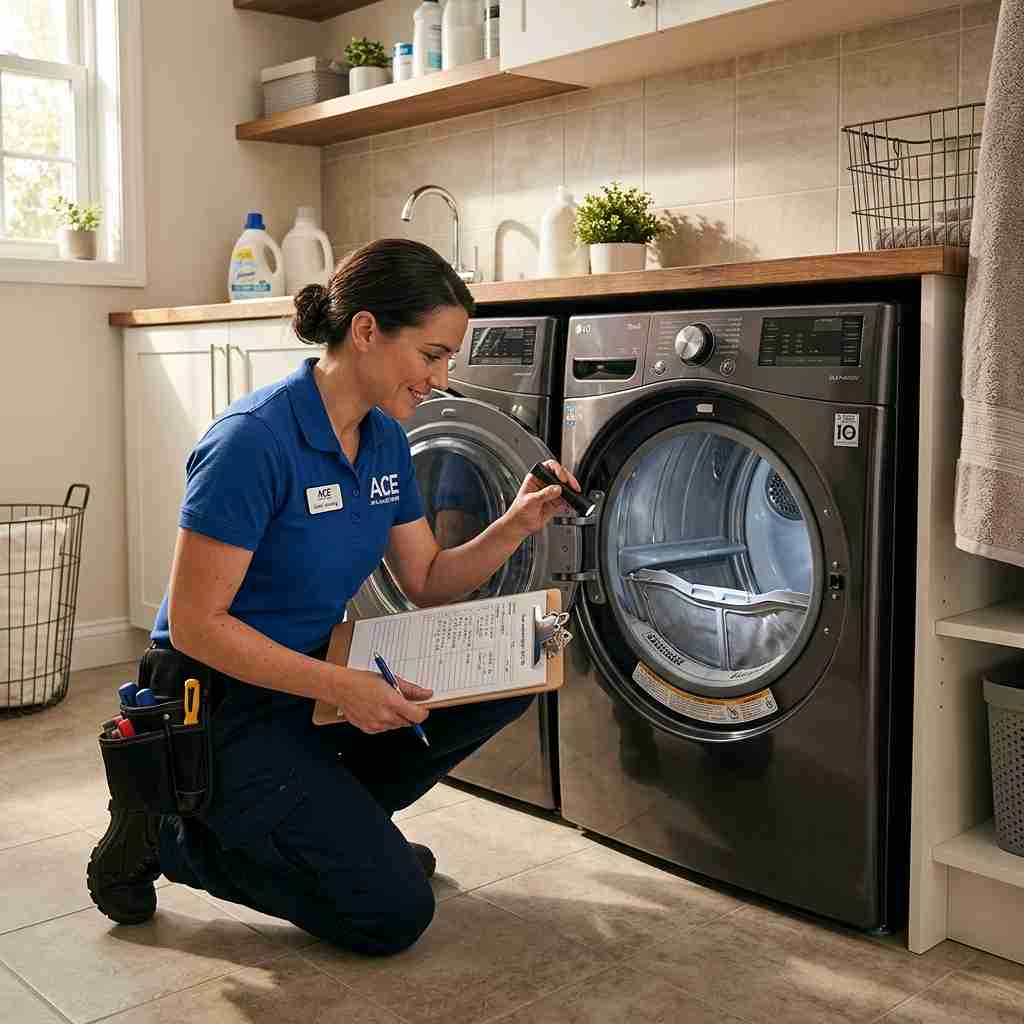
Expert Appliance Troubleshooting for Upper West Side
A dryer that runs but cannot finish the job is a common problem. Sometimes the drum is hot but moist air has nowhere to go. Sometimes the heat is weak. Sometimes the washer is the actual culprit. Upper West Side residents face an added layer of difficulty: long vent runs in apartment buildings and humid New York summers can make even a partial vent restriction feel much worse.
The good news is that most causes are identifiable. Some are simple to fix yourself. Others need a professional dryer technician before they become a safety hazard.
Quick Answer: A dryer usually takes too long to dry because of restricted airflow, a clogged lint filter or vent, an overloaded drum, clothes entering the dryer too wet, or a weak heating or sensor component. Start by cleaning the lint filter, checking the vent hose for kinks, and confirming that the exterior vent flap opens with strong airflow. If the dryer still runs slowly, a qualified dryer technician should test the heating and electrical components.
Need immediate diagnostic help? Visit our dedicated dryer repair page or speak with our certified technicians today.
The 8 Most Common Reasons a Dryer Takes Too Long
1. The Lint Filter Is Clogged or Covered With Residue
What the problem is: The lint screen may look perfectly clean but still have a thin waxy film from dryer sheets or fabric softener. That invisible coating blocks airflow almost as effectively as visible lint.
Signs you may notice:
- Clothes stay damp after a full cycle
- The dryer feels hotter than usual near the door
- Lint appears around the door seal or inside the drum
- Drying time has been creeping up gradually
- Water does not pass through the screen when you hold it under a faucet
Safe homeowner check: Remove lint after every single load. Occasionally wash the screen with warm water, a small amount of dish soap, and a soft brush. Let it dry completely before putting it back. Vacuum the lint filter housing with a narrow attachment to pull out trapped debris.
Manufacturer guidance connects a restricted lint screen directly to slow drying and recommends cleaning it before every load and washing it periodically to remove fabric-softener residue.
When to call a technician: If cleaning the filter makes no difference and drying times stay long, the blockage is likely deeper in the system.
2. The Dryer Vent or Exhaust Duct Is Blocked
What the problem is: A blocked dryer vent is one of the strongest explanations for a dryer that gets hot but takes forever to finish a load. Lint builds up inside the transition hose, wall duct, and exterior vent hood over time, often without any visible warning.
Signs you may notice:
- The dryer consistently takes two or more cycles
- Clothes come out hot but still noticeably wet
- The laundry room feels warm and humid while the dryer runs
- The exterior vent has weak or no airflow
- The vent flap barely opens or stays closed
- The dryer displays a "Check Vent" warning
- Moisture or lint appears near the outside cap
Safe homeowner check: Run the dryer briefly and walk outside to check the vent. The flap should open fully. Airflow should feel strong and warm. Inspect the hose behind the dryer for visible crushing, kinking, or disconnection. Do not push the dryer tightly against the wall. Never operate a gas dryer with a disconnected exhaust duct.
Both Whirlpool and GE identify blocked, kinked, crushed, or incorrectly installed venting as a direct cause of long drying times.
When to call a technician: If airflow at the exterior cap is weak even after a basic check, schedule a professional dryer vent inspection. A technician can clear the full duct run safely, including wall cavities and roof caps.
3. The Vent Hose Is Crushed, Kinked, Too Long, or Poorly Installed
What the problem is: A dryer can have a spotless lint filter and still dry slowly if the exhaust hose is bent or compressed behind the appliance. Long vent runs and multiple sharp bends create resistance that makes it much harder for moist air to escape.
Common installation problems:
- Crushed or kinked flexible transition hose
- Sharp bends behind the dryer
- Loose or disconnected ductwork sections
- An excessively long vent run
- Too many elbows reducing airflow
- Improper transition material that collapses under use
- Lint packed inside a wall cavity
Appliance repair guidance commonly lists kinked tubing, vent restrictions, and excessively long venting as frequent causes of extended drying times.
Safe homeowner check: Carefully pull the dryer forward, unplug it, and visually inspect the hose. Look for obvious crushing or sharp angles. If the hose looks damaged, a flexible metal transition hose is a safer replacement than a plastic accordion-style hose.
Avoid dismantling hidden ductwork or climbing onto a roof. That work belongs to a technician.
When to call a technician: If the vent run is long, involves multiple bends, or runs through a wall or ceiling, schedule a professional dryer vent repair in the Upper West Side to assess the full installation.
4. The Dryer Is Overloaded or the Load Is Poorly Sorted
What the problem is: A crowded drum prevents clothes from tumbling freely. Hot air cannot circulate through a packed load. The outer items may feel dry while towels, jeans, and thick fabrics buried inside stay damp.
Practical guidance:
- Dry one washer load at a time, never combine two loads into one dryer cycle
- Separate heavy fabrics from lightweight clothing
- Dry towels, blankets, jeans, and bedding in their own loads
- Leave enough room so clothes tumble visibly inside the drum
- Check your dryer's recommended load capacity
GE guidance recommends drying one wash load at a time and keeping heavy items separate from lightweight fabrics for even, efficient drying.
Helpful example: A load of lightweight shirts may dry in 40 minutes. That same drum packed with a mix of towels, hoodies, and jeans may still be damp after 70 minutes, not because the dryer is broken, but because the load was never going to dry evenly.
When to call a technician: If smaller, sorted loads still take an unusually long time, the problem is likely inside the dryer rather than in how you load it.
5. Clothes Are Entering the Dryer Too Wet
What the problem is: Sometimes the dryer is not the original problem at all. If the washing machine is not completing its high-speed spin cycle, clothes arrive in the dryer carrying far more water than they should.
Possible washer-related causes:
- Washer not reaching full spin speed
- Unbalanced load causing the spin to slow or stop
- Drain hose restriction
- Clogged washer pump filter
- Drain pump problem
- Spin cycle canceled or set incorrectly
Simple test: Run the same load through an additional spin cycle on the washer. If the dryer finishes the job much faster afterward, look at the washing machine rather than immediately replacing dryer components.
When to call a technician: If the washer consistently leaves clothes soaking wet regardless of load size or spin setting, schedule a washer inspection. A dryer repair visit will not fix a washer drainage problem.
6. The Heating Element or Gas Heating System Is Weak
What the problem is: A dryer may still produce some warmth even when a heating component is beginning to fail. A partially burned electric heating element or a weak gas component creates low heat and much longer drying times.
Electric dryer components that can fail:
- Heating element
- Thermal fuse
- High-limit thermostat
- Cycling thermostat
- Terminal block
- 240-volt circuit or breaker
Gas dryer components that can fail:
- Igniter
- Flame sensor
- Gas valve coils
- Radiant sensor
- Burner assembly
Symptoms:
- The drum tumbles but air feels cold
- The dryer is warm but never gets genuinely hot
- Heat comes and goes during a cycle
- The dryer overheats and shuts off early
- A gas dryer ignites briefly and then stops heating
- The circuit breaker trips
Safety boundary: Do not test live voltage, bypass a thermal fuse, open a gas line, or disassemble the burner assembly yourself. Gas and electrical diagnosis requires a qualified appliance repair technician with proper tools.
7. The Moisture Sensor Is Dirty or Not Reading Correctly
What the problem is: Sensor Dry cycles rely on small metal bars inside the drum to detect when clothes are actually dry. Residue from dryer sheets or fabric softener can coat these bars and interfere with accurate readings.
Symptoms:
- The automatic cycle ends while clothes are still damp
- The dryer runs much longer than expected
- Small loads do not dry evenly
- Timed Dry outperforms Sensor Dry consistently
- The dryer stops and starts unpredictably
Safe maintenance: Locate the metal sensor bars inside the drum, usually positioned near the front below the door. Wipe them gently with a soft cloth and mild soap or rubbing alcohol, following your manufacturer's guidance. GE also notes that a dryer needs to sit level so clothes tumble correctly and make reliable contact with the sensor bars.
When to call a technician: If cleaning the sensor bars and leveling the dryer do not improve Sensor Dry performance, the bars or the control board may need professional testing.
8. The Blower Wheel, Drum, or Internal Mechanical Parts Are Failing
What the problem is: The blower wheel pushes warm, moist air out through the exhaust system. If it is obstructed, cracked, or loose, the dryer may heat perfectly but move almost no air.
Possible internal problems:
- Blocked or damaged blower wheel
- Worn drum rollers
- Failing idler pulley
- Stretched or broken drum belt
- Weak drive motor
- Damaged drum seal allowing air to bypass the load
Symptoms:
- Weak airflow even after cleaning the vent
- Squealing, scraping, thumping, or rumbling sounds during operation
- The drum rotates slowly or stops mid-cycle
- Burning smell from inside the dryer
- Clothes dry unevenly regardless of load size
Repair sources commonly identify the blower wheel, heating element, thermostats, and related internal components as causes of slow drying when the vent is otherwise clear.
When to call a technician: If the vent is clean and airflow is still weak, do not guess at parts. A qualified technician can diagnose internal components accurately before any repair begins.
Quick Troubleshooting Checklist
Work through these steps before calling for service:
- Clean the lint filter
- Wash the filter screen if it has a waxy residue
- Vacuum the lint filter housing
- Check the rear vent hose for kinks or crushing
- Confirm the exterior vent flap opens fully during operation
- Feel for strong, warm airflow at the exterior cap
- Reduce the load size
- Separate towels and heavy fabrics from lightweight items
- Run an extra spin cycle on the washer
- Try Timed Dry if Sensor Dry ends too early
- Wipe the moisture sensor bars with a soft cloth
- Stop using the dryer immediately if you smell burning, see smoke, or notice unusual overheating
Safety notice: Never bypass a thermal fuse, operate a gas dryer with a disconnected vent, or work on live electrical or gas components without proper training.
How to Tell Whether It Is an Airflow Problem or a Heating Problem
| What you notice | More likely cause | Recommended next step |
|---|---|---|
| Clothes are hot but damp | Blocked vent, crushed hose, weak blower wheel | Check airflow and venting |
| Clothes are cold after a full cycle | Heating element, igniter, gas valve coils, power issue | Schedule professional diagnosis |
| Laundry room is hot and humid | Exhaust restriction or disconnected vent | Stop using the dryer until venting is checked |
| Dryer stops before clothes are dry | Moisture sensor, small load, uneven tumbling | Clean sensors and verify load size |
| Dryer makes loud noises | Drum rollers, belt, idler pulley, blower wheel, motor | Book a mechanical inspection |
| Takes longer only with towels | Overloading or mixed fabrics | Use smaller, sorted loads |
| Works better after extra washer spin | Washer drainage or spin problem | Inspect the washing machine |
When Should You Stop Using the Dryer?
Not every slow dryer is a safety risk, but some are. Stop using the appliance and contact a technician if you notice any of the following:
- Burning smell during or after a cycle
- Smoke or visible sparks
- A tripped circuit breaker that keeps returning
- Gas odor anywhere near the appliance
- Extreme heat radiating from the sides or top
- Melted or damaged power cord
- A vent hose that has disconnected from the wall
- Repeated overheating that shuts the dryer off mid-cycle
- A drum that will not turn at all
- Grinding, scraping, or screeching sounds
An overheating dryer with a blocked or unsafe dryer vent is a documented fire hazard. If any of these warning signs are present, do not run another cycle until a professional dryer inspection has been completed.
DIY Fixes vs. Professional Dryer Repair
Safe maintenance most homeowners can handle:
- Cleaning the lint screen before every load
- Washing residue from the screen with soap and water
- Vacuuming accessible lint from the filter housing
- Checking whether the exterior vent flap opens
- Reducing the load size and sorting fabrics
- Wiping the moisture sensor bars
Repairs that belong to a technician:
- Heating element replacement
- Gas valve, igniter, or flame sensor diagnosis
- Thermal fuse and thermostat testing
- Blower wheel replacement
- Motor, belt, roller, or idler pulley repair
- Hidden ductwork inspection and cleaning
- Electrical voltage testing
- Gas-line or burner repairs
Knowing the difference protects you. It also means you will not pay for a service call when cleaning the lint filter was all that was needed.
Why Choose Our Upper West Side Dryer Repair Service?
Our appliance repair technicians serve homeowners across the Upper West Side and Manhattan, including ZIP codes 10023, 10024 and 10025. We repair both electric and gas dryers across major brands and models.
Every job starts with a proper diagnosis. We identify the actual cause before recommending any parts or labor, so you know exactly what you are paying for and why. We offer dryer vent inspection alongside internal repairs, which means we check the full picture, not just the component that failed.
Whether you need electric dryer repair, gas dryer repair, or a complete dryer vent inspection in the Upper West Side, our team is ready to help. Contact us today to schedule an appointment or request same-day service.
Is your dryer taking two or three cycles to finish one load? Call our Upper West Side dryer repair team. We will inspect the airflow, venting, heating system, moisture sensor, and internal components to find the real cause, and fix it right the first time.
Call TechnicianFrequently Asked Questions
Why is my dryer taking two cycles to dry clothes?
The most common causes are restricted airflow, a clogged vent, an overloaded drum, clothes entering the dryer too wet, or a weak heating component. Check the lint filter, vent hose, exterior vent hood, load size, and washer spin cycle before assuming a major component has failed.
Why does my dryer get hot but the clothes stay damp?
The dryer may be heating normally but failing to exhaust moist air. A clogged vent, crushed duct, blocked exterior hood, or weak blower wheel can trap humidity inside the drum throughout the entire cycle.
How often should I clean my dryer vent?
Follow your dryer manufacturer's instructions. Whirlpool recommends cleaning the entire venting system every one to two years, though the right interval depends on how often you use the dryer and how long the vent run is. If drying times are increasing or airflow at the exterior cap feels weak, do not wait for the scheduled interval.
Can an overloaded dryer cause clothes to stay wet?
Yes. A tightly packed drum prevents proper tumbling and blocks airflow from reaching fabric deep inside the load. Dry one washer load at a time and keep heavy items like towels, jeans, and blankets in their own cycles.
Why is my dryer still slow after I cleaned the lint filter?
The blockage may be deeper, inside the lint filter housing, the transition hose, the wall duct, or the exterior vent cap. The dryer may also have a weak heating element, failing thermostat, dirty moisture sensor, or blower wheel problem that a lint-filter cleaning cannot fix.
How can I check dryer vent airflow?
Run the dryer and walk to the exterior vent. The flap should open freely. Airflow should feel strong and warm. Weak or barely noticeable airflow points to a restriction somewhere in the duct run or a blower problem inside the dryer.
Should I use Timed Dry or Sensor Dry?
Sensor Dry works well when the sensor bars are clean and the load is properly sized. If Sensor Dry consistently ends too early and clothes are still damp, switch to Timed Dry temporarily to help determine whether the sensor is the problem. Timed Dry will not solve a blocked vent or failing heating system.
Is it safe to run a dryer with a clogged vent?
No. A restricted vent causes overheating, poor drying performance, higher energy consumption, and a real fire hazard. If you notice excessive heat, burning odors, smoke, or severely weak airflow, stop using the dryer until the vent has been inspected and cleared.
Can summer humidity make dryer times longer?
Yes. Humid New York summer air can make moisture removal harder, particularly when airflow is already restricted. That said, do not automatically blame the weather. Unusually long drying times almost always point to a vent, heating, load, or washer spin problem that weather alone would not cause.
How much does dryer repair cost in the Upper West Side?
The total depends on the diagnosis, the dryer brand and model, the specific part, labor, and whether the issue is inside the dryer or in the vent system. Request an upfront estimate before authorizing any repair. A good technician will explain what they found and what it will take to fix it before starting the work.
Still Waiting for Dry Clothes?
Get transparent diagnostic repair with authentic OEM replacement parts throughout Upper West Side Manhattan. Fast response, courteous certified technicians, and written estimates before work begins.