Dryer Not Heating in Upper West Side? Causes, Safety Checks and Repair Advice
A dryer running without heat is frustrating. Learn common causes including tripped breakers, blown thermal fuses, clogged vents, or gas igniter issues, and get expert local diagnostic repair.
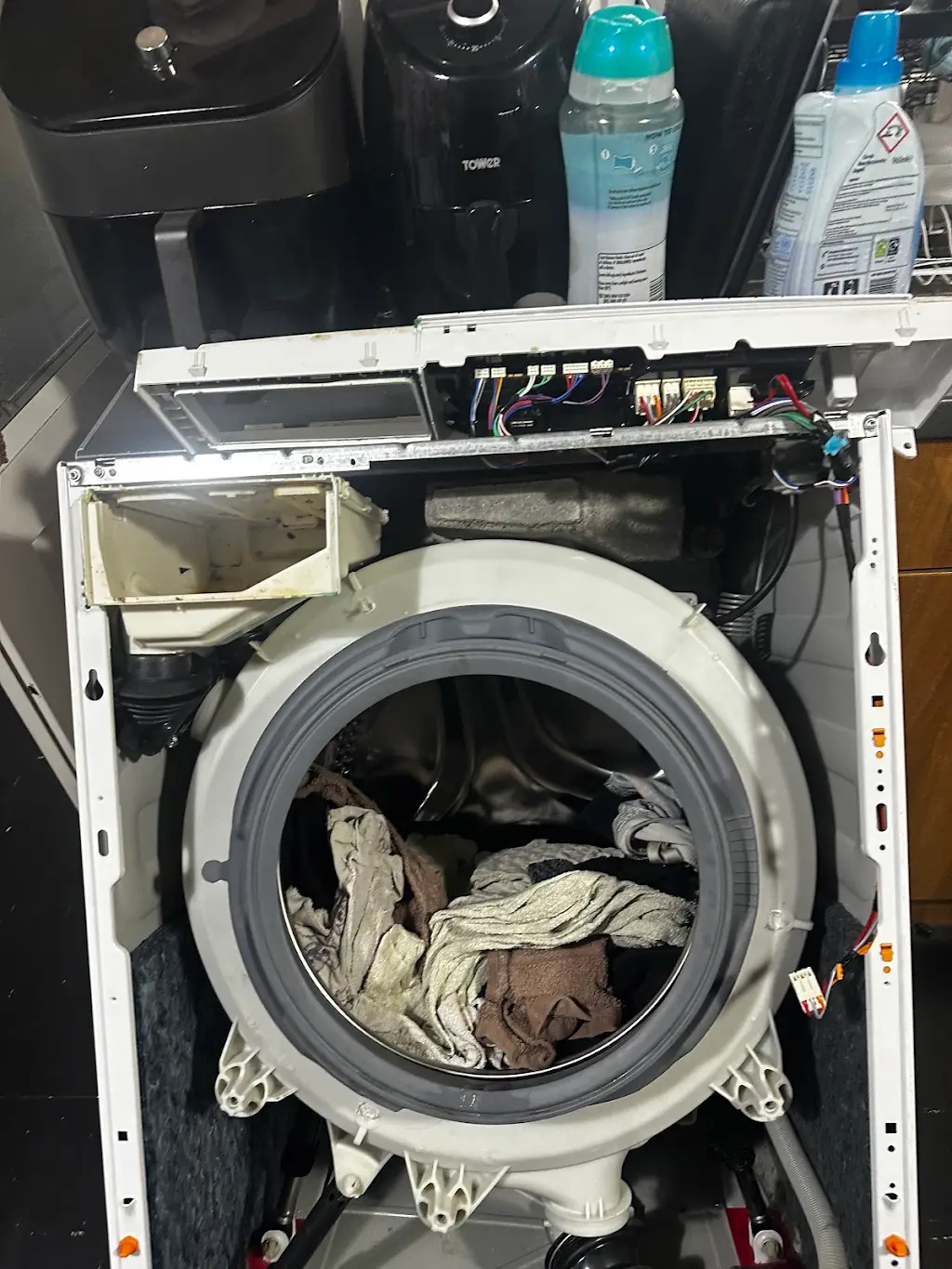
Is Your Dryer Running But Leaving Clothes Damp?
You open the dryer after a full cycle, but your clothes are still wet. The motor sounds normal and the drum tumbles, yet there is zero heat inside. A dryer spinning without heat usually points to restricted airflow, a blown safety fuse, a defective heating element, or a gas ignition fault.
Fixvero provides professional dryer repair services across Upper West Side and Manhattan. Below are the primary causes, safe checks, and safety advice.
7 Causes of Dryer Heating Failure
Select any cause below to jump to diagnostic guidance:
Detailed Breakdown of Dryer Heating Causes
Tripped Circuit Breaker or Dual Leg Power Interruption
Electric dryers operate on a 240-volt electrical circuit supplied by two 120-volt breaker legs. One leg powers the motor and drum, while the second leg powers the heating element.
If the heating breaker leg trips, the motor continues tumbling normally, but no heat is produced. Reset the circuit breaker once. If the breaker trips again immediately, discontinue use and schedule service.
Clogged Lint Filter or Exhaust Duct Venting
Lint accumulation in the screen or duct restricts exhaust airflow. Poor airflow traps heat inside the cabinet, triggering the thermal safety fuse to cut power to the heating element.
Clean the lint screen after every load. Inspect the flexible exhaust duct behind the dryer for crushed bends or heavy lint buildup leading to exterior wall vents.
Failed Electric Heating Element
The heating element contains a coil wire that glows hot when electricity passes through it. Metal fatigue or thermal stress can cause the wire coil to break apart.
When the element wire breaks, current cannot flow, leaving the drum cold throughout the cycle. Element testing requires unplugging power and verifying electrical continuity with a multimeter.
Blown Thermal Safety Fuse
The thermal fuse is a one-time safety component designed to blow if dryer temperatures reach dangerous levels, preventing fire hazards.
Once blown, the fuse cannot reset. Replacing the fuse without clearing the underlying vent blockage or faulty thermostat causes the new fuse to blow promptly.
Defective Cycling or High-Limit Thermostat
Thermostats monitor drum temperature and cycle heating elements on and off. A defective cycling thermostat may misread internal heat, shutting off elements prematurely.
A high-limit thermostat shuts off heat if temperatures spike. Professional diagnostic testing determines whether thermostats or sensors require replacement.
Failed Gas Dryer Igniter or Gas Valve Coils
Gas dryers use an igniter element to light natural gas at the burner assembly. Weak igniters or failing gas valve solenoids prevent gas valves from opening.
Symptoms include an igniter that glows without lighting a burner flame, or a burner that ignites briefly then shuts off. If you smell gas, turn off supply valves and call emergency services immediately.
Blower Wheel or Internal Airflow Impeller Failure
The blower wheel draws heated air across clothes and expels moisture out the exhaust. Damaged blower wheels or loose motor shafts drop airflow drastically.
Signs of blower wheel damage include thumping or rattling noises, weak exhaust airflow at exterior vents, and long drying times despite functional heat elements.
Dryer Safety & Troubleshooting Checklist
What You Can Safely Check
When to Stop Using Immediately
Dryer Repair Across Upper West Side
Fixvero services electric and gas dryers throughout Upper West Side including Lincoln Square, Morningside Heights, and Manhattan Valley (ZIP codes 10023, 10024, 10025).
We service all major brands: Whirlpool, Maytag, GE, Samsung, LG, Bosch, Kenmore, KitchenAid, Electrolux, Frigidaire, Amana, and Miele.
Frequently Asked Questions
Q. Why is my dryer spinning but not heating?
Common reasons include a tripped double-pole circuit breaker, clogged exhaust duct, failed heating element, blown thermal safety fuse, defective thermostat, or gas igniter fault.
Q. Can a clogged vent cause a dryer to stop heating?
Yes. Restricted airflow traps heat inside the cabinet, which trips or permanently blows internal thermal safety fuses, cutting off heating element power.
Q. How do I know if my dryer is gas or electric?
Electric dryers connect to a large 240-volt 3-prong or 4-prong outlet with no gas line. Gas dryers connect to a standard 120V outlet alongside a gas supply line.
Q. Why does my dryer heat for a few minutes then stop?
This symptom points toward failing gas valve coils, a weak cycling thermostat, or thermal cutoff activation caused by exhaust duct airflow restrictions.
Q. Do you repair both gas and electric dryers in Upper West Side?
Yes. Fixvero technicians diagnose and repair both electric and natural gas dryer models across all major brands.
Need Upper West Side Dryer Repair?
Don't let wet laundry disrupt your day. Fixvero provides expert electric and gas dryer diagnostics with authentic OEM replacement parts.